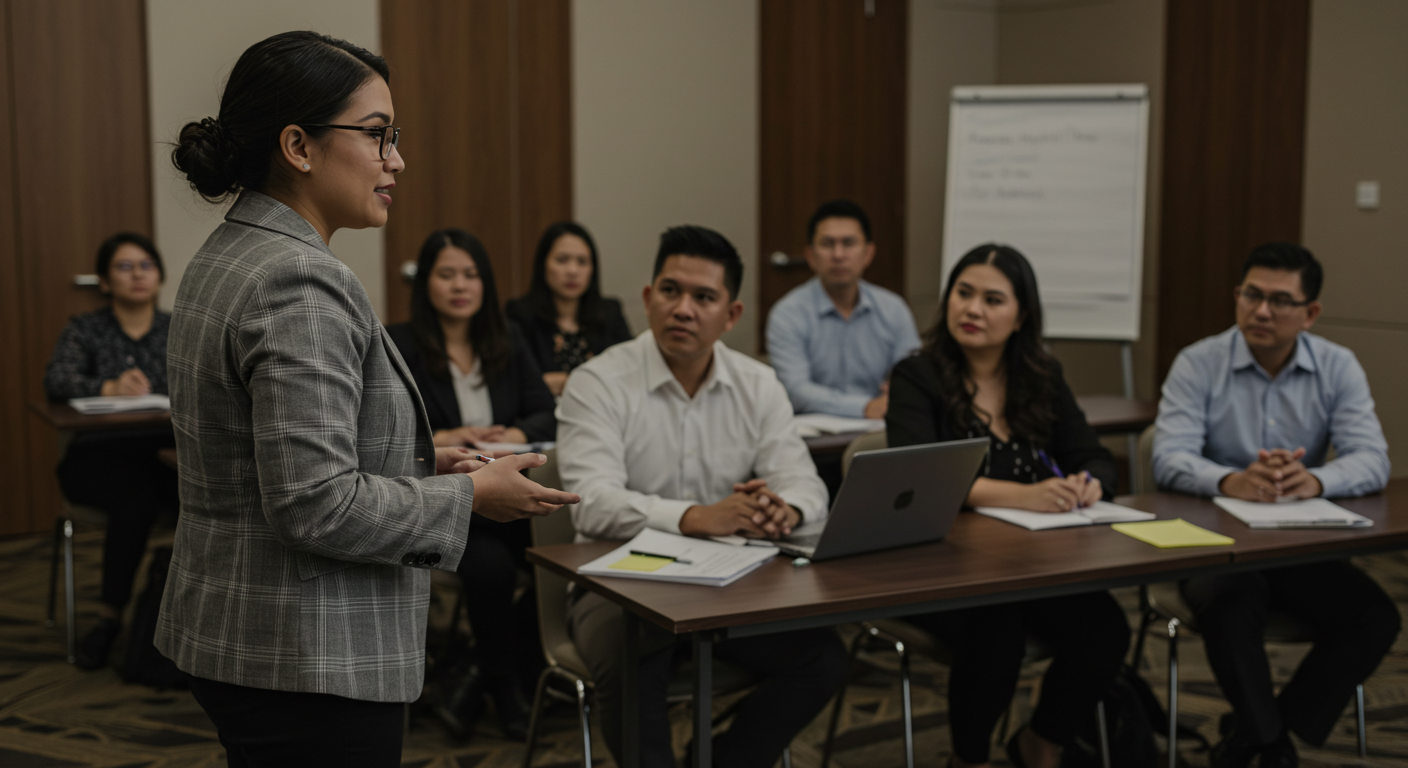
🌿Building Confident, Culture-Aware Workplace Trainers
Workplace training shouldn’t feel like a box to check, it should change how people show up, think, and perform.
In this course, you’ll learn how to confidently design and facilitate trainings that connect with today’s multigenerational and culturally diverse workforce. You’ll go beyond slides and scripts to understand your audience, assess real organizational needs, and deliver learning experiences that are engaging, inclusive, and practical.
Throughout the course, you’ll reimagine training that supports and caters to a multi-diverse, multi-generational culture, intentionally meeting the needs of trainees from all walks of life, while building your Trainer Toolkit step by step, creating practical resources you can continue using long after the course ends to improve engagement, inclusion, and impact.
This is a space for growth, reflection, and forward movement. Come ready to learn, apply, and stretch. You’re not just learning how to train, you’re learning how to lead through facilitation.
Train with intention. Lead with authenticity. Create learning that lasts. 🌱
Curriculum
- 9 Sections
- 10 Lessons
- Lifetime
- ✨Welcome1
- 🌿Module 1: The Trainer's Role in Today's WorkplaceTraining has the power to shape people, culture, and outcomes when it’s led with intention. In this module, you’ll explore how training serves as a catalyst for growth and change within organizations. You’ll begin to reframe your role, not just as a presenter of information, but as a leader, steward, culture carrier, and coach who facilitates meaningful learning experiences. This module invites you to reflect on your own training experiences and begin operating from a place of service, influence, and impact. Module Objectives By the end of this module, participants will be able to: 1. See themselves as a leader, steward, culture carrier, and coach, recognizing the responsibility and influence that comes with training others. 2. Reflect on past training experiences (both as a learner and a facilitator) to identify what created engagement, trust, and lasting impact. 3. Understand training as an act of service, shifting from “delivering content” to facilitating growth, confidence, and skill development. 4. Adopt a facilitator mindset, focusing on guiding conversations, creating safe learning spaces, and drawing out knowledge, not just transferring information. 5. Recognize how trainers shape organizational culture, behavior, and capacity through every learning experience they lead. This module lays the groundwork for training with purpose, humility, and intention, setting the tone for facilitation that transforms people, not just processes.1
- 🌿Module 2: Understanding Your Audience & Assessing Training NeedsEffective training begins with a deep understanding of who your learners are and what they truly need. By analyzing the diverse backgrounds, experiences, and expectations of your audience, you can design training that is relevant, engaging, and impactful. This lesson will equip you to assess your learners and align your training with real organizational priorities, setting the stage for meaningful results. These objectives will guide your learning in this lesson, helping you focus on practical strategies for analyzing your audience and identifying training needs. 1. Examine generational, cultural, and role-based factors that influence how people learn and engage. 2. Learn to spot and prioritize the most pressing training needs within your organization. 3. Connect your training objectives directly to organizational priorities for maximum impact. 4. Begin drafting your training plan with a clear sense of purpose and direction.1
- 🌿Module 3: Foundations of Adult Learning & Inclusive FacilitationUnderstanding how adults learn is essential for designing training that truly makes a difference. This lesson will introduce you to the foundational principles of adult learning and show you how to create sessions that engage, respect, and include every participant. By focusing on these principles, you’ll be equipped to facilitate learning experiences that are both impactful and inclusive. These objectives will guide your learning in this lesson, helping you apply adult learning principles and inclusive facilitation strategies to your own training sessions. 1. Learn the core ideas that make adult learning unique and why they matter for effective training. 2. Examine how age and cultural background shape learning preferences and engagement. 3. Discover practical ways to ensure all participants feel valued and involved in your sessions. 4. Begin planning how you’ll engage and include every learner in your own training sessions.1
- 🌿Module 4: Designing & Facilitating Engaging Learning ExperiencesThis lesson bridges the gap between understanding learning needs and actually creating and leading effective training sessions. You’ll discover how to design, facilitate, and adapt engaging experiences that drive real skill transfer. By moving from theory to hands-on practice, you’ll gain the tools and confidence to make every session impactful and memorable. These objectives will guide your learning in this lesson, helping you master the practical skills of designing and delivering engaging training. 1. Apply instructional design tools: Use proven frameworks to create effective, learner-centered training sessions. 2. Use facilitation techniques: Deliver content with clarity and confidence to maximize participant understanding. 3. Design for engagement: Create sessions that foster active participation and real-world skill transfer. 4. Manage group dynamics: Keep participants involved and address challenges as they arise. 5. Respond to resistance: Handle disengagement or pushback constructively to maintain a positive learning environment.1
- 🌿Module 5: Building Your Trainer Toolkit: Capstone & ReflectionThis capstone lesson marks the culmination of your journey as a trainer. Here, you’ll finalize your practical tools, reflect on your growth, and prepare to apply your new skills in real-world training situations. By assembling your Trainer Toolkit, you’re equipping yourself for ongoing success and impact as a leader, facilitator, and coach. These objectives will guide your learning and reflection in this final lesson, ensuring you leave with practical tools and a plan for continued growth. 1. Complete your custom outline to guide future training sessions with clarity and purpose. 2. Personalize your Trainer’s Facilitation Checklist to ensure readiness and consistency every time you train. 3. Use a post-training reflection guide to support continuous improvement after each session. 4. Develop a strategy for using your toolkit in upcoming training opportunities. 5. Learn about next steps for certification and ongoing professional development as a trainer.2
- 🌿Wrap Up & Closing Prayer2
- 🌿Thank you!1
- ✨Certificate of Completion1

No Responses